
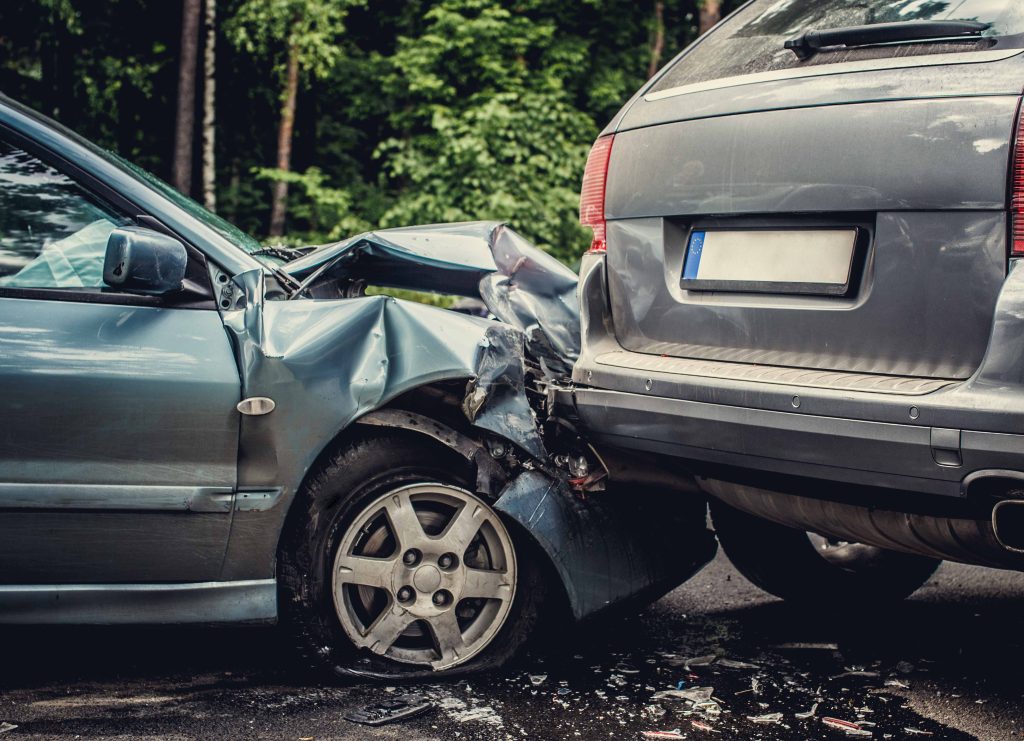
Being involved in a car accident is stressful on its own, but the situation becomes even more overwhelming when you discover that the other driver has no insurance. Even though most states require motorists to carry at least some level of liability coverage, many drivers still take the chance of driving uninsured. When that happens, securing compensation for medical care, missed work, or repairs can be more complicated—but it is still possible with the right steps.
If you ever find yourself in a collision with an uninsured driver, what you do in the minutes and hours that follow can significantly affect the outcome of your claim. Start by ensuring everyone is safe and seeking immediate medical help if necessary. Next, call the police so an official accident report can be created. This documentation becomes essential later when you file a claim or pursue legal action. Along with speaking to officers at the scene, gather as much information as you can: the driver’s personal details, the vehicle make and model, and any visible damage. Photos of the scene and surrounding area can also be extremely useful. After leaving the scene, contact your insurance company as soon as possible to report what happened.
Because many states use an “at-fault” system—meaning the driver responsible for causing the collision is typically the one who pays for damages—the details of your situation will matter. The insurance process will depend heavily on who is found to be at fault based on evidence, the police report, and statements from all involved parties.
If the Uninsured Driver Is Responsible
When the uninsured driver is at fault for the crash, your own policy may be what helps you recover your losses. Many drivers carry uninsured or underinsured motorist coverage (often abbreviated as UM or UIM). These coverages are designed for scenarios exactly like this. They can help pay for medical care, lost wages, and, in some cases, property damage when the other driver lacks sufficient insurance.
If you have additional protections—such as collision coverage or personal injury protection (PIP)—those may help as well. Collision coverage focuses on repairs to your vehicle regardless of fault, while PIP provides support for medical costs and sometimes lost income no matter who caused the accident. Without these optional coverages, however, your ability to recover compensation may be limited to what you can pursue outside your insurance policy.
Considering Legal Action
Another route some drivers take is filing a lawsuit against the uninsured motorist. Legal action may allow you to recover damages such as medical bills, repair costs, and compensation for pain and suffering. Still, this option is only effective if the driver has assets or income that can be used to satisfy a settlement or court judgment. Because many uninsured drivers lack significant financial resources, lawsuits do not always result in meaningful recovery.
This is why speaking with an experienced car accident attorney can be helpful. They can review your situation, assess whether pursuing a lawsuit is worthwhile, and guide you on how to best document your losses. An attorney can also help ensure you meet important deadlines and preserve key evidence that may strengthen your case.
When the Driver Flees the Scene
Hit-and-run crashes follow a similar process. If the driver who struck you cannot be located or identified, uninsured motorist coverage usually becomes the primary source of compensation. Once again, filing a police report quickly is crucial. Your insurer will likely request a copy when reviewing your claim, and timely reporting also helps law enforcement investigate the incident.
Even if the situation feels chaotic, try to collect anything that could be helpful. This might include photos of the damage, video footage from nearby cameras, witness statements, or details about the fleeing vehicle. Providing your insurer with as much information as possible can help streamline the claims process.
Protecting Yourself After an Uninsured Accident
Managing the aftermath of an accident involving an uninsured driver can be frustrating and confusing, especially when you’re trying to navigate medical appointments, repair estimates, or time away from work. But you don’t have to go through it alone. In addition to hiring an attorney, keeping open communication with your insurance provider can make a significant difference. They can explain what your policy covers, what documents they need, and how to move forward with repairs or medical reimbursement.
Reviewing your insurance policy ahead of time can also help you prepare for unexpected situations. Many drivers don’t realize the importance of uninsured or underinsured motorist coverage until they need it. Understanding the details of your policy and adding optional protections like PIP or collision coverage can provide peace of mind and financial security down the road.
In the moments after a crash, it’s normal to feel overwhelmed. But by taking quick action—checking for injuries, gathering evidence, filing a police report, and contacting your insurer—you give yourself the best chance of minimizing stress and recovering the compensation you deserve. Even when the other driver is uninsured, there are still paths available to help you move forward.